Archives
- 2026-10
- 2026-09
- 2026-08
- 2026-07
- 2026-06
- 2026-05
- 2026-04
- 2026-03
- 2026-02
- 2026-01
- 2025-12
- 2025-11
- 2025-10
- 2025-09
- 2025-03
- 2025-02
- 2025-01
- 2024-12
- 2024-11
- 2024-10
- 2024-09
- 2024-08
- 2024-07
- 2024-06
- 2024-05
- 2024-04
- 2024-03
- 2024-02
- 2024-01
- 2023-12
- 2023-11
- 2023-10
- 2023-09
- 2023-08
- 2023-07
- 2023-06
- 2023-05
- 2023-04
- 2023-03
- 2023-02
- 2023-01
- 2022-12
- 2022-11
- 2022-10
- 2022-09
- 2022-08
- 2022-07
- 2022-06
- 2022-05
- 2022-04
- 2022-03
- 2022-02
- 2022-01
-
br STAR Methods br Author
2023-12-04
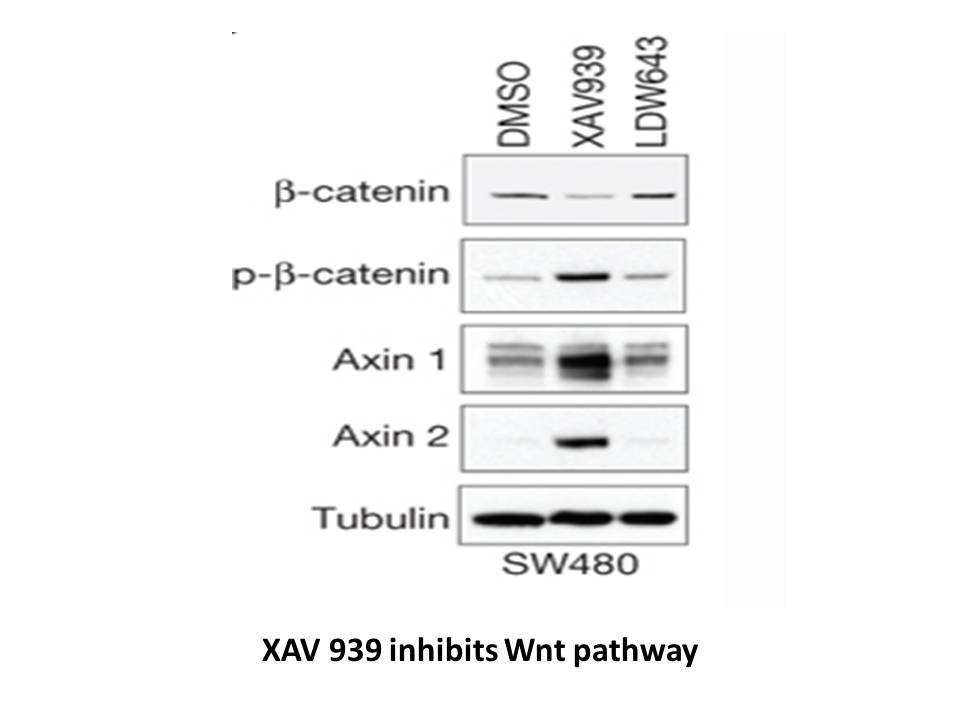
STAR★Methods Author Contributions Acknowledgments We thank Antony M. Dean for initial discussions and encouragement concerning ancestral sequence reconstruction. We also thank Natalie K. Goto for constructive criticism concerning the manuscript, Steven M. Sine for providing Rosiglitazone ma
-
LO is a soluble kDa enzyme composed of
2023-12-04

5-LO is a soluble 78 kDa enzyme, composed of an α-helix-rich catalytic domain and a regulatory β-sheet-rich C2-like domain. Depending on the cell type, 5-LO may be located in the cytosol, in the nucleoplasm, or in both compartments (Werz, 2002). Upon cell stimulation by agents that elevate intracell
-
The link between HPV infection
2023-12-02
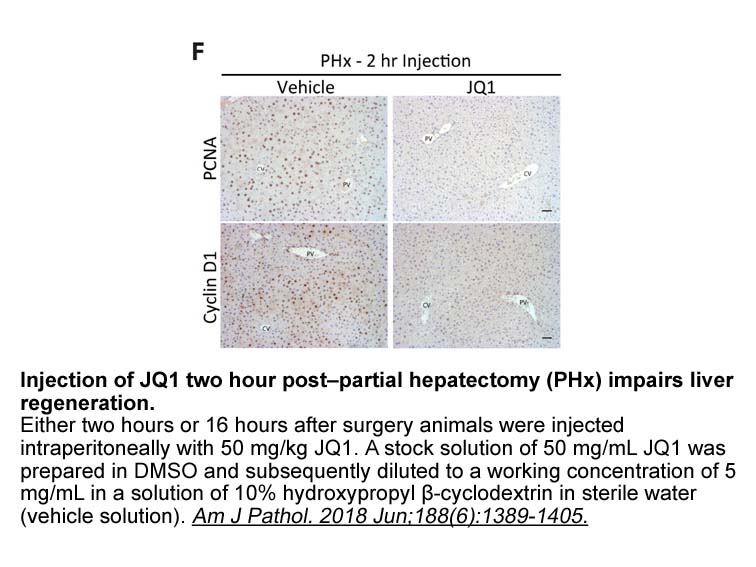
The link between HPV infection and neoplasia has been well established. HPV encodes two oncogenes (E6 and E7) that drive Roxithromycin mg progression by controlling the functions of tumor suppressor proteins p53 and Rb [7]. HPV is associated with more than 99% of cervical CESC cases [8]. CESC remai
-
Furthermore low affinity sites that share no structural
2023-12-02
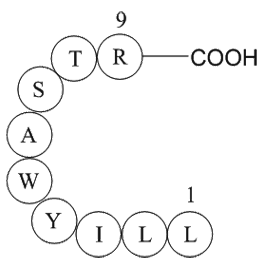
Furthermore, low-affinity sites that share no structural homology with the aforementioned sites have been described in the transmembrane domain. It has been discovered that, in α1βγ2 receptors, potentiation of GABA-activated currents by high concentrations of diazepam is biphasic, with a high- and a
-
br Secreted enzymes Only two
2023-12-02
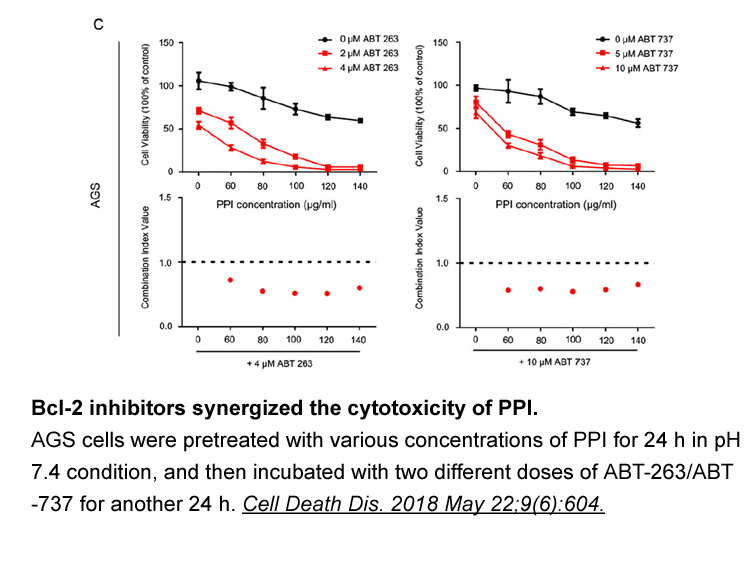
Secreted enzymes Only two secreted S. aureus enzymes reportedly induce apoptosis, namely, staphylococcal staphopain B (SspB) and coagulase. SspB selectively cleaved CD11b/CD18 integrin and induced an apoptosis-like cell death in neutrophils and monocytes (Smagur et al., 2009). Neutrophils or mono
-
Most clinically approved antiangiogenic drugs
2023-12-02
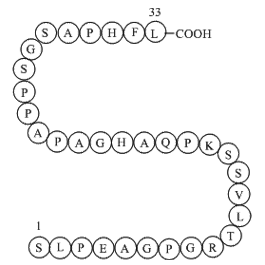
Most clinically approved antiangiogenic drugs are aimed at blocking the action of vascular endothelial growth factor, or VEGF, which is accepted to be the most important tumor-derived angiogenic factor, stimulating proliferation and migration of endothelial cells, as well as branching of vessels (Fe
-
Recent studies revealed that certain plant derived
2023-12-02
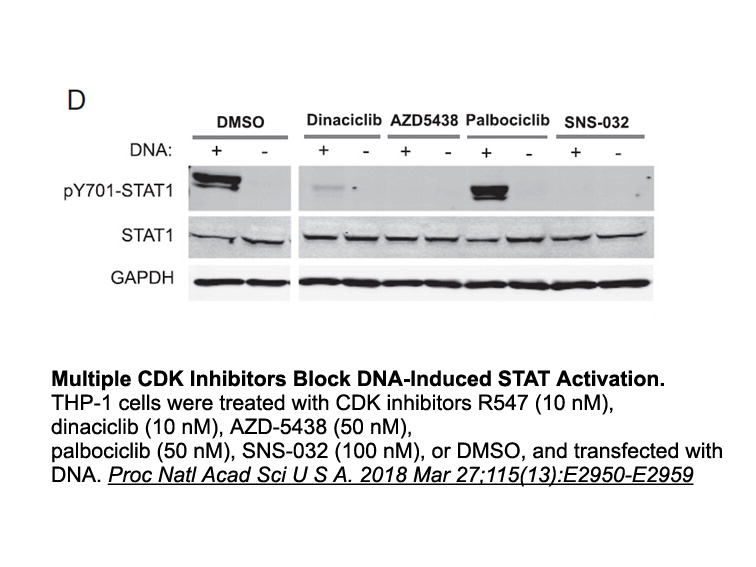
Recent studies revealed that certain plant-derived compounds can also interfere with AR function. One way of such an interference is by modulating its expression levels. This is the case for the two flavonoids quercetin and luteolin that have been reported to repress the function of AR by inhibiting
-
The apocrine sweat glands of the human axilla
2023-12-02
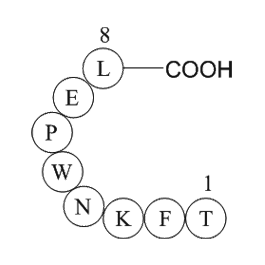
The apocrine sweat glands of the human axilla produce odor substances with pheromone functions whose nature corresponds to volatile steroids (Cowley and Brooksbank, 1991, Grosser et al., 2000, Sobel et al., 1999, Weller, 1998). These functions only begin with puberty, indicating that sex hormones st
-
br Materials and methods br Results br
2023-12-02
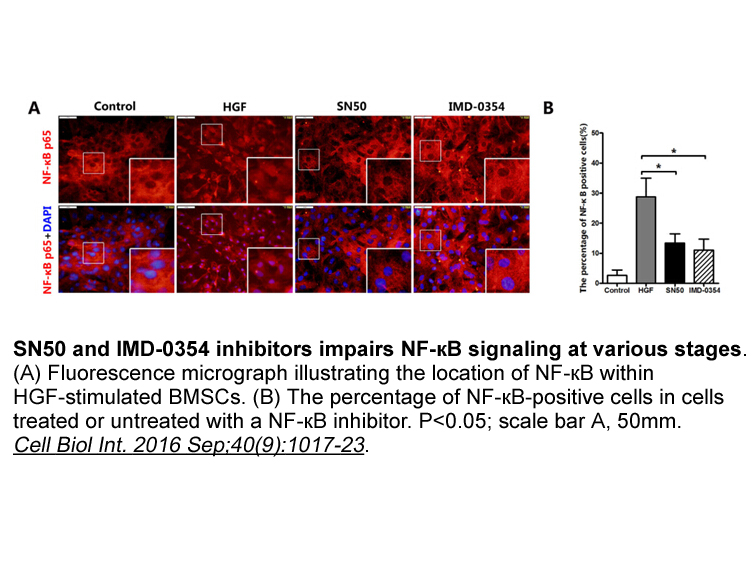
Materials and methods Results Discussion Intracellular metabolic pathways of sugar, such as glycolysis and TCA cycle, provide material and energy for the synthesis of other substances, including amino acids. Thus, the content of sugars and their metabolic pathways are important for amino AG
-
br New AMPK activators Fenofibrate is a drug
2023-12-01

New AMPK activators Fenofibrate is a drug of the fibrate class used for the treatment of dyslipidemia [53] but is also an agent that could alleviate DN-induced alterations through AMPK activation (Fig. 2). Streptozotocin-induced diabetic rats treated with fenofibrate improved in not only renal fu
-
We also investigated the transmittance
2023-12-01
We also investigated the transmittance of actin polymerized with and without ABP. The presence of actin in the solution results in an increment in turbidity as other proteins provided LY2603618 australia features [21], [32]. While G-actin showed a transmittance peak positioned at 241 nm, F-actin ex
-
We have expressed the ECDs
2023-12-01
We have expressed the ECDs of the human α1, β1, γ and ɛ AChR subunits in the past using the methylotropic yeast Pichia pastoris as soluble glycosylated proteins [15], [16]. Further work with the γ subunit ECD revealed a marked improvement of the solubility and yield following the mutation of hydroph
-
Z-YVAD-FMK br Conclusions br Conflicts of interest br Acknow
2023-12-01
Conclusions Conflicts of interest Acknowledgements This work was supported by Ege University Research Fund [BAP, 14-ECZ-030, 2016]. Introduction The interest in the effects of endocrine disrupting chemicals (EDCs) in the aquatic environment continues to increase over the past decade, sp
-
In the last decade the zebrafish has emerged as
2023-12-01
In the last decade, the zebrafish has emerged as a valuable vertebrate model to systematically dissect the genetic underpinnings of both vertebrate heart development and function [8,9], as well as distinct cardiac diseases such as congenital heart disease [10], cardiomyopathies [11,12] and cardiac a
-
Whole body loss of ACLY is early embryonic lethal indicating
2023-12-01
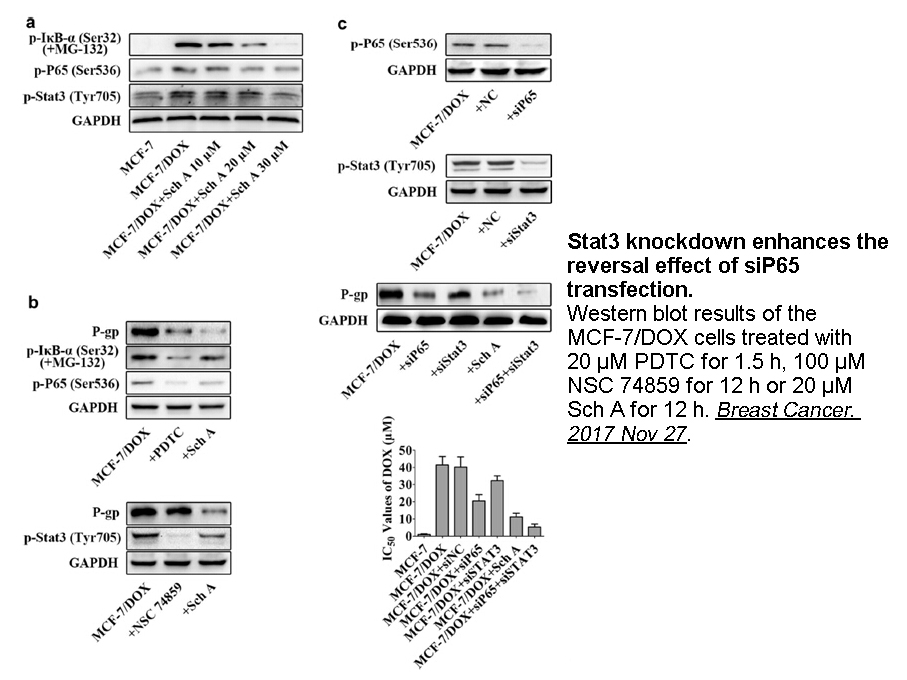
Whole-body loss of ACLY is early embryonic lethal, indicating that it serves non-redundant roles during development (Beigneux et al., 2004). Silencing or inhibition of ACLY suppresses the proliferation of many cancer cell lines and impairs tumor growth (Bauer et al., 2005, Hanai et al., 2012, Hatziv
8537 records 266/570 page Previous Next First page 上5页 266267268269270 下5页 Last page